CASE STUDY

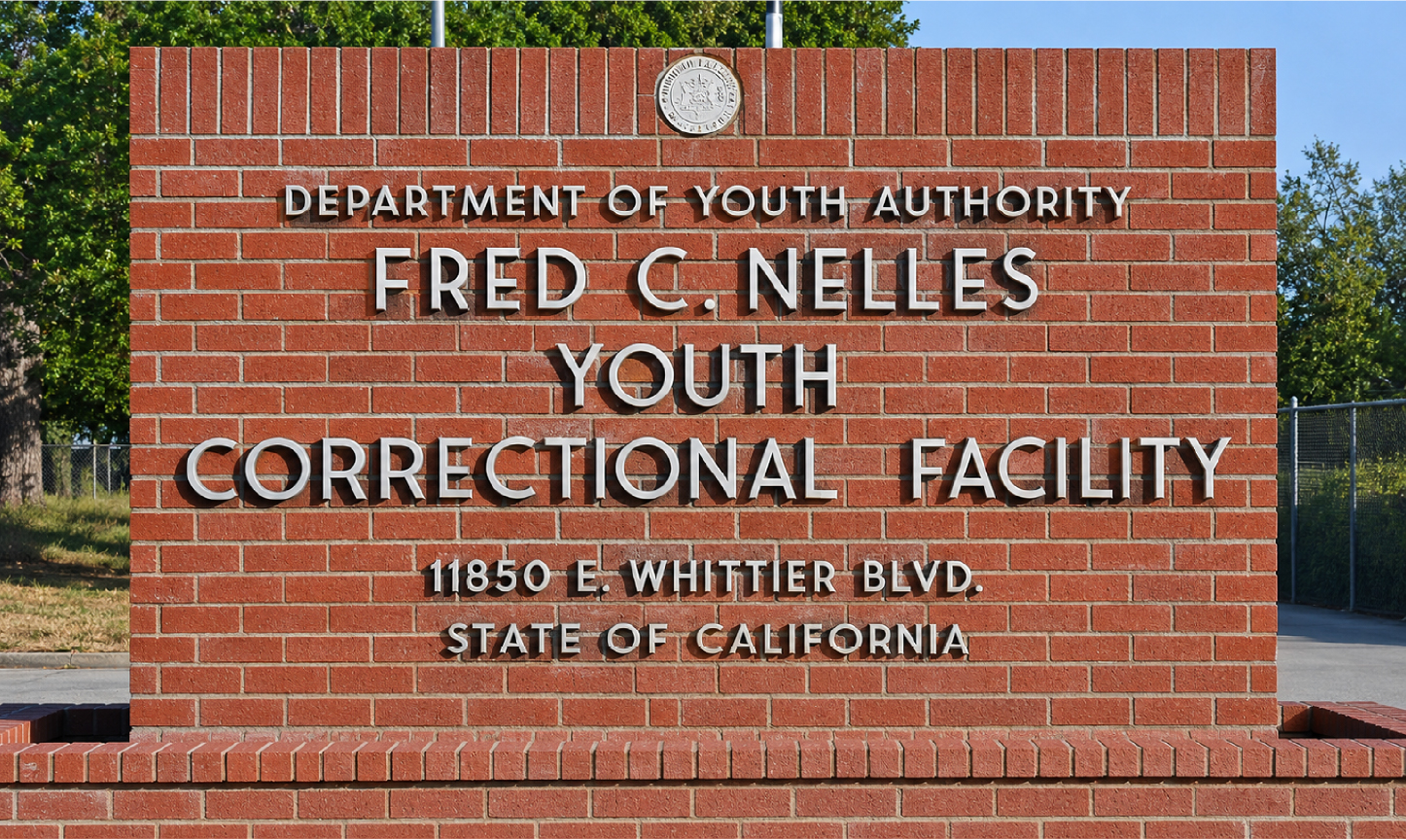
Fred C. Nelles Youth
Correctional Facility

California Youth Authority

THE INSTITUTION:

Fred C. Nelles Youth Correctional Facility, a 113-year-old juvenile prison that closed in 2004, housed youths ages 12–20 who were convicted of crimes ranging from vandalism to murder. Other juvenile detention centers where the Find A Tree program was taught include Eastlake Juvenile Detention Center and Camp Kilpatrick.

IMPLEMENTATION:

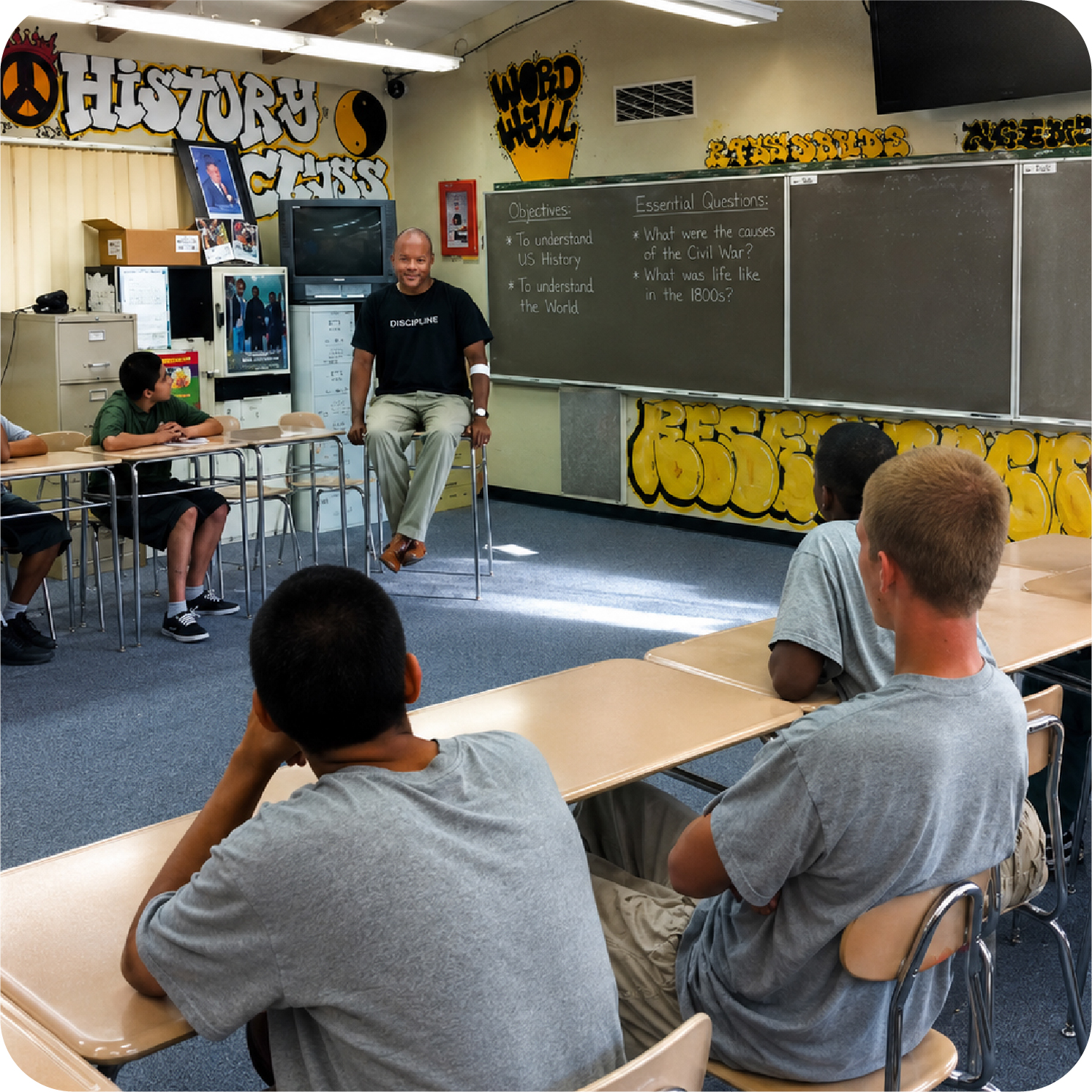
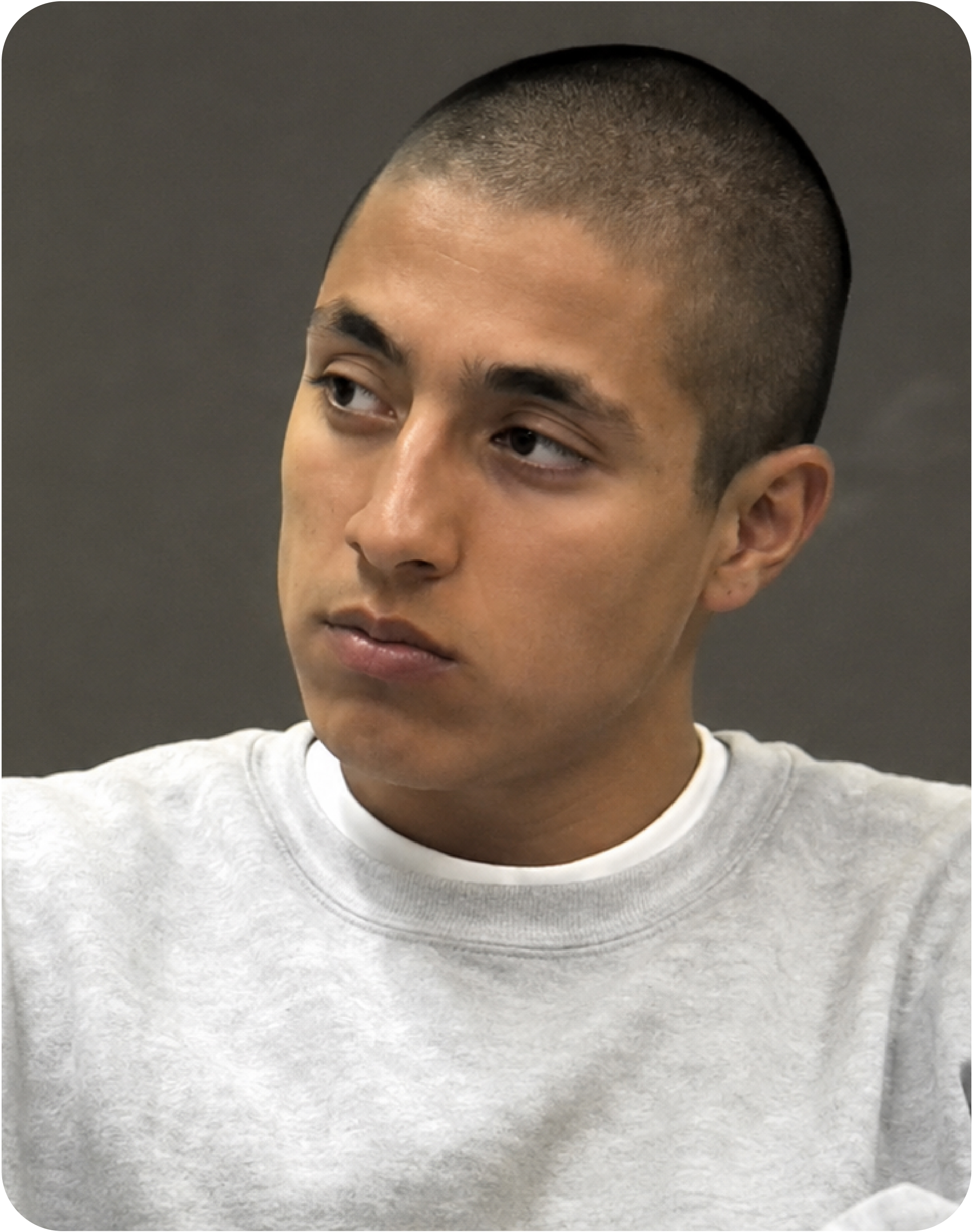
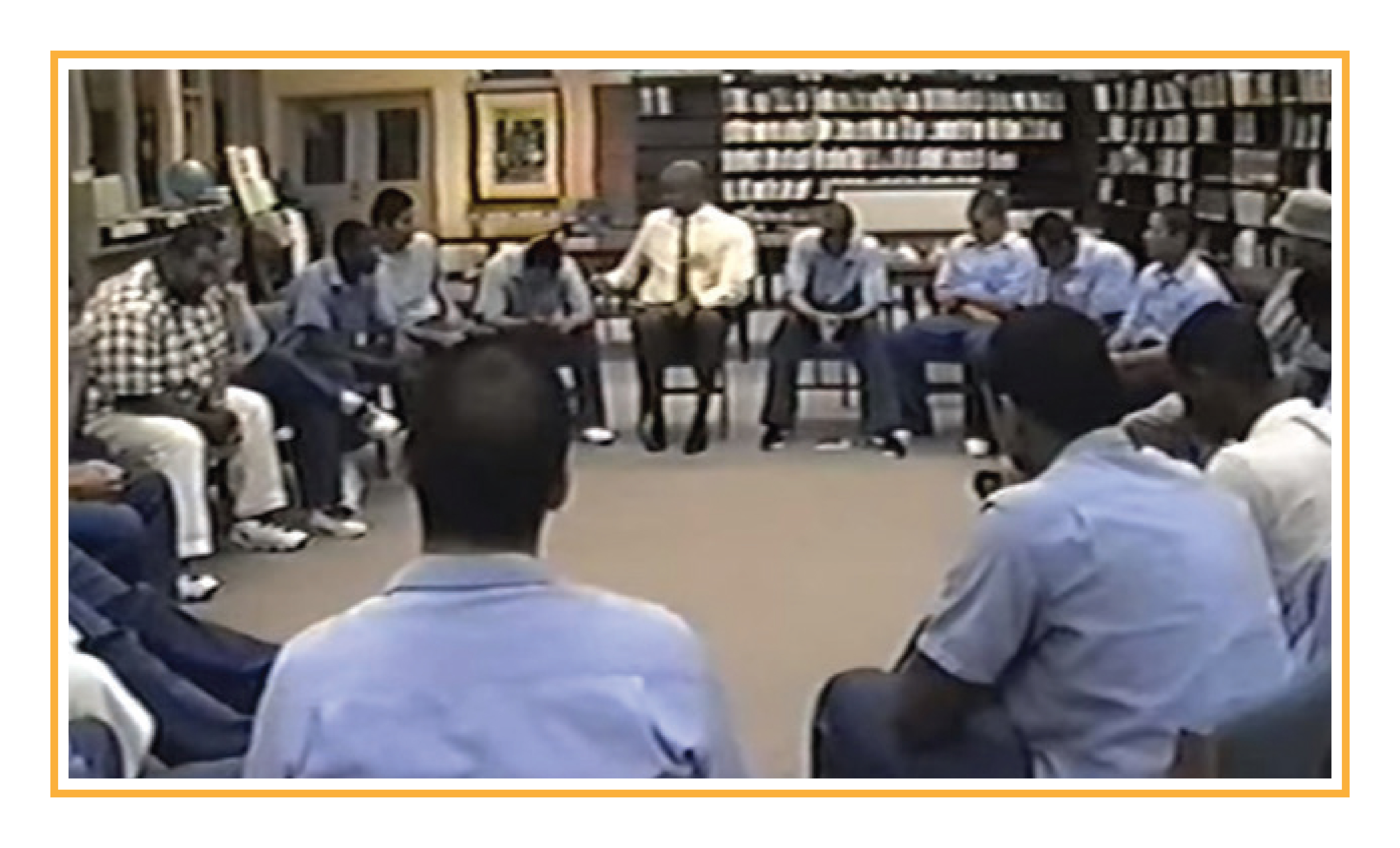
The institution had living units called “cottages.” Inmates lived and spent a majority of their time there when not in school or the cafeteria. Each cottage had approximately 80 inmates. Staff in Adams Cottage interviewed and selected 20 program participants. Daniel did a classroom session twice a week and basketball training on Saturday mornings. Inmates learned life skills through basketball. The program lasted seven months. Inmates living at Adams who were not selected for the class requested Find A Tree training, so Daniel spoke to these inmates each Saturday following basketball practice.
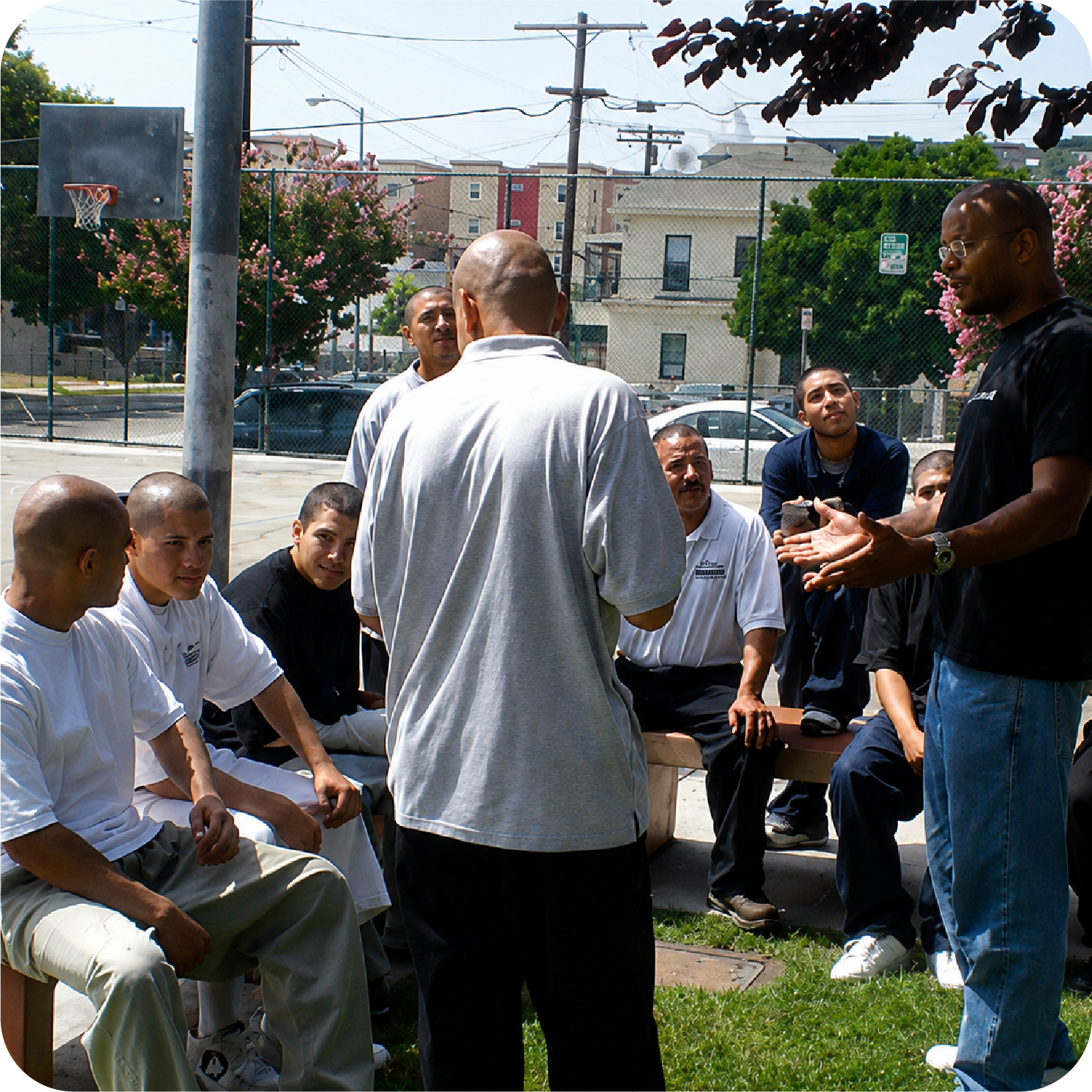
DANIEL SPEAKS WITH GANG
MEMBERS UNDER A TREE AT A
LOS ANGELES PARK.
DANIEL SPEAKING TO JUVENILE INMATESABOUT GOALS, HEALING, AND TRANSFORMATION.
"
The Find A Tree program is set up similar to a road map that helps us visualize the steps needed to take in order to accomplish our goals in life…Before the Find A Tree program enlightened us, instead of communicating with one another in order to resolve our conflict, we would use our fists and not our brains. Now that we are officially Find A Tree graduates, we’ve learned how to talk and communicate in almost every situation we may encounter.
"
─Inmates in a letter to the Director of
the California Youth Authority

Class participants were required to explore who they were outside of being gang members—their talents, interests, and dreams. Books were providedon the topic of each student’s dream. Life skills such as conflict resolution, human relations, and character were a primary focus of the class.

Students engaged in emotionally charged healing sessions as they shared experiences that “tattooed their hearts.” Students developed projects related to their dreams. Rappers and songwriters organized a talent show. A future teacher taught other inmates. A future architect collected inmates’Popsicle sticks at lunch and dinner and built model buildings. Mentors who worked in the field of each student’s dream visited the prison, met with his or her mentee privately, and spoke to all inmates in Adams Cottage. Representatives from East Los Angeles College and Habitat for Humanity as well as other professionals visited as guest speakers. Students from Chadwick School, an exclusive private K12 school in Palos Verdes, California,visited as well. The inmate who aspired to be a teacher set up a library in an unused cell with books donated by Chadwick School.
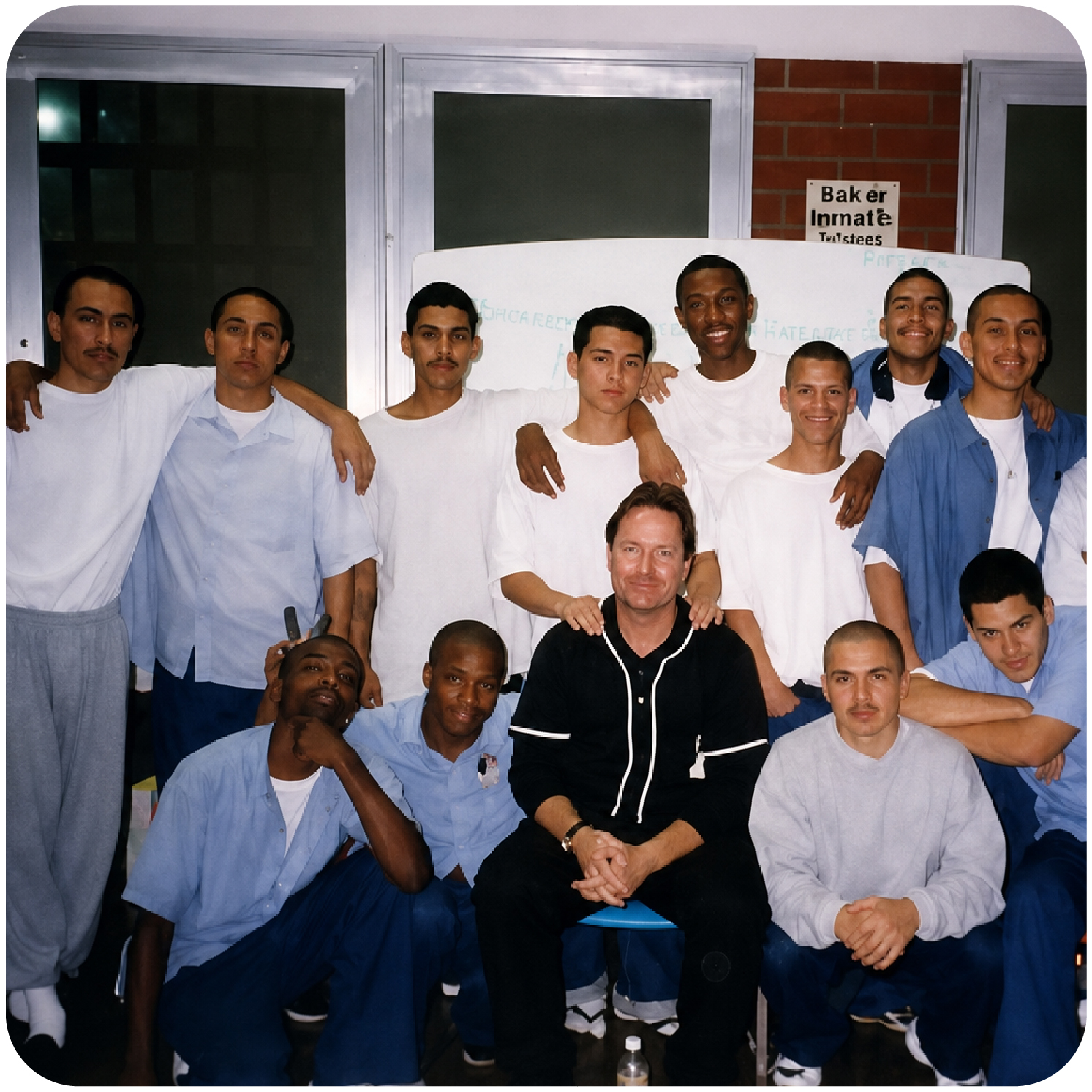
NELLES FIND A TREE PROGRAM
PARTICIPANTS
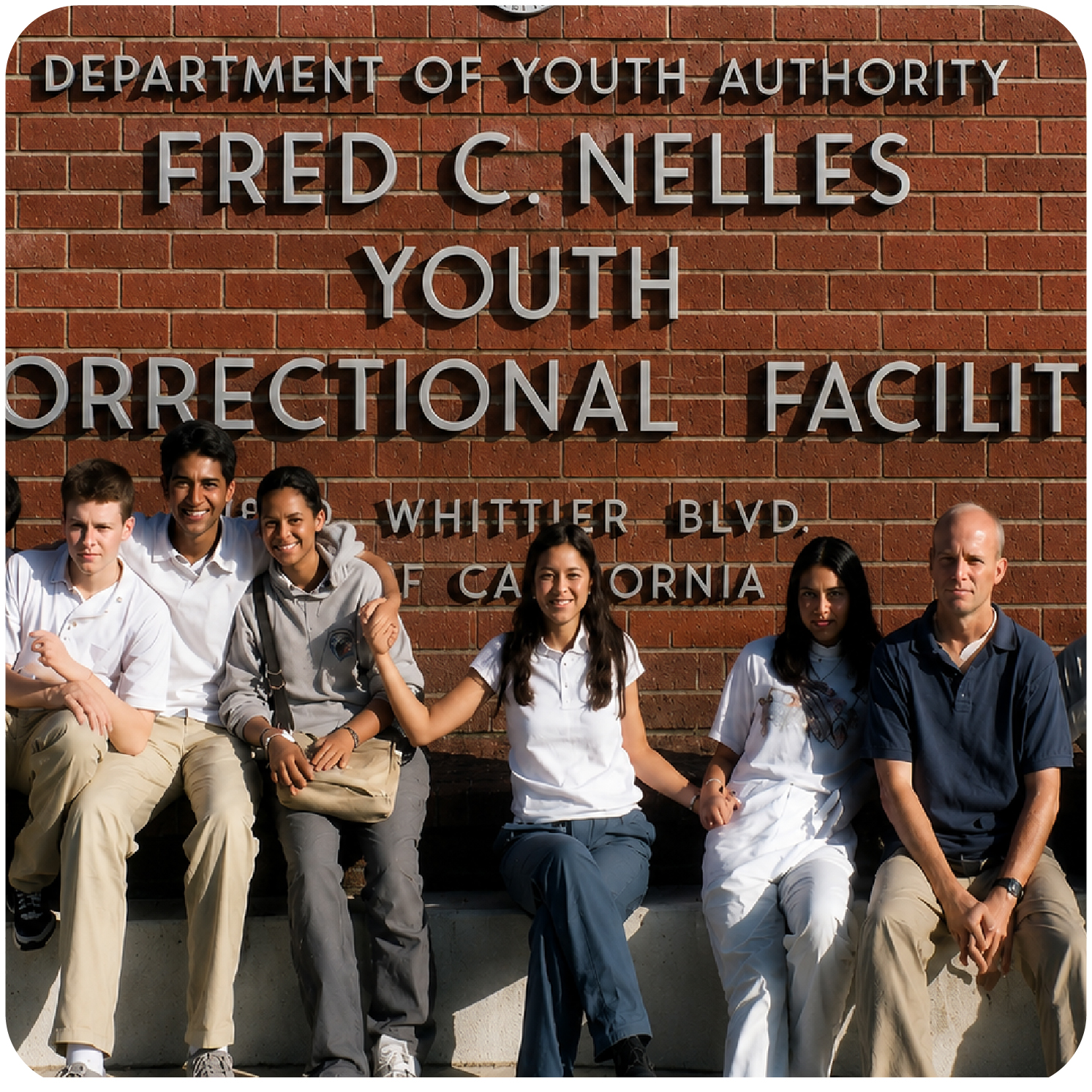
CHADWICK SCHOOL STUDENTSVISITED NELLES AND MET WITH THEFIND A TREE STUDENTS
"
I have never seen or been involved with a program as powerful and productive as [Find A Tree]. [The] program has successfully developed the talents and gifts of each participant by helping [them] to live their dreams.
"
─Patrick Czarny | Counselor

RESULTS:

Participants developed plans of action for while incarcerated and for when they were to be released. Several attended community college upon their release, while others started careers. Staff reported a decrease in incident reports, participants left their gangs, and students graduated from high school while at Nelles. At the conclusion of the program, nearly two-thirds of the juvenile inmates in other living units at Nelles signed a petition requesting the Find A Tree program.
Find A Tree program graduates wrote a twenty-page plan of action outlining how they would teach other inmates Find A Tree. After presenting their plan to Daniel, program graduates informed him, "We are going to teach Find A Tree. We only need you to teach basketball.” At the conclusion of the program, the institution decided not to continue Find A Tree and replaced it with a quilting class. Inmates wrote a five-page letter to the California State Director of the Youth Authority explaining the benefits of the Find A Tree program.

CONCLUSION:

Even the most violent, hardened gang member wants to live his dream. Each of the young men in the program was emotionally crippled by life trauma. Each benefited by the opportunity to heal by sharing his story and listening to others. Gangs provide young people a pathway to success in the gang;however, no one ever showed them how to be successful outside of the gang. Although resistant initially, once they saw a peer make progress, others realized that they too could change. There were Pioneers—those eager to take action on their dream, Watchers—those who waited on others before they would commit themselves, and Rebels—those who initially refused to participate. In time, each group came around and pursued their dream. A former Rebel even became the leader of the program, following the release of Darwin Ramirez, a Pioneer, who was voted by his peers to be the first president.

STUDENT SUCCESS STORY

Darwin Ramirez

From Lock-Up to Beverly Hills

Fred C. Nelles Youth Correctional Facility | Whittier, California
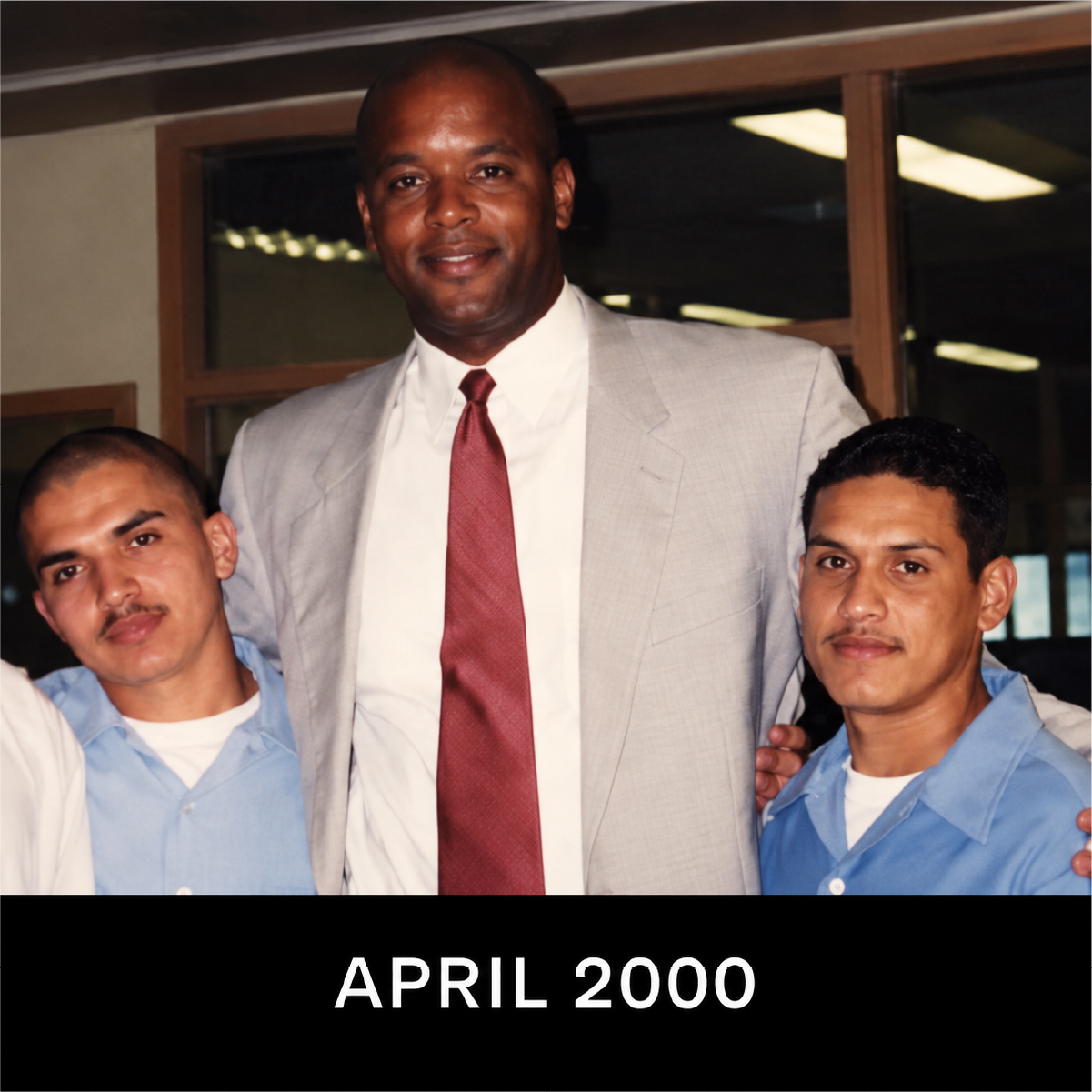
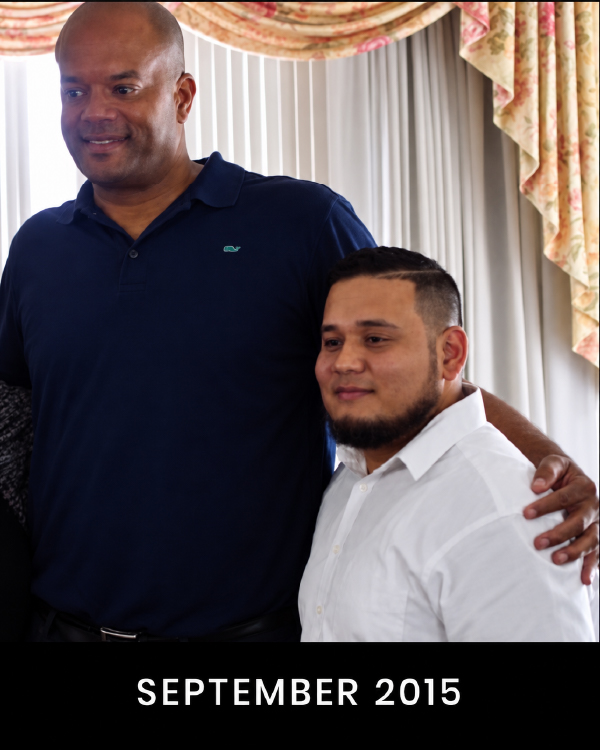
Darwin Ramirez (right) was incarcerated at age 16 for attempted murder. Due to continued gang activity, he spent a year in an isolation cell before enrolling in the Find A Tree program. Following his completion of the program and his release from prison, he went on to work at one of the world’s largest entertainment companies—BMG Entertainment in Beverly Hills, California.
"
My homeboys taught me how to be a gang member, but Find A Tree taught me how to be a man—a responsible man—and to go after the things that I want.
"
─Darwin Ramirez
Find A Tree Graduate
"
Darwin Ramirez always did his absolute best, nothing short of excellence was good enough for him and he was on time, focused and responsible well beyond his years. BMG Entertainment’s assessment of his work was much like mine…He was the best student they had ever had. I credit the Find A Tree program with the amazing accomplishments of the young men I met at the Fred C. Nelles Youth Correctional Facility.
"
─Jaleesa Hazzard
Former Executive Director
Y.E.S. to Jobs
Beverly Hills, California